Something is shifting in how Miami's most discerning residents think about wellness. For years, the city's health scene was defined by isolation: private IV drips behind blackout curtains, solo sessions in hyperbaric chambers, one-on-one consultations with longevity physicians who charge by the minute. Wellness was a solitary pursuit, conducted behind closed doors and settled with a black Amex.
That era isn't ending, but it is making room for something older and, arguably, more interesting. Across Miami, a new generation of communal wellness spaces is opening, drawing on bathing traditions that predate luxury medicine by several thousand years. These aren't day spas with cucumber water and Enya playlists. They are serious thermal facilities, architecturally ambitious recovery clubs, and socially oriented wellness venues designed for the kind of person who has already tried everything the private wellness world has to offer and is looking for something that feels less clinical and more human.
Grotto Baths: Wynwood Gets Its First Bathhouse
When Grotto Baths announced its Wynwood location, the natural reaction from Miami's wellness community was curiosity mixed with skepticism. Wynwood is known for street art, craft breweries, and weekend gallery crawls, not exactly the neighborhood you associate with ancient Roman bathing culture. But that juxtaposition is precisely the point.
Scheduled to open in summer 2026, Grotto Baths will occupy a converted warehouse space in the heart of the neighborhood, a deliberate choice that signals the brand's intention to merge wellness with the kind of creative, social energy Wynwood already generates. The facility will feature a series of thermal circuits: hot plunge pools at varying temperatures, cold immersion tubs, a traditional steam room, dry saunas, and a signature grotto space inspired by the volcanic caves of southern Italy.
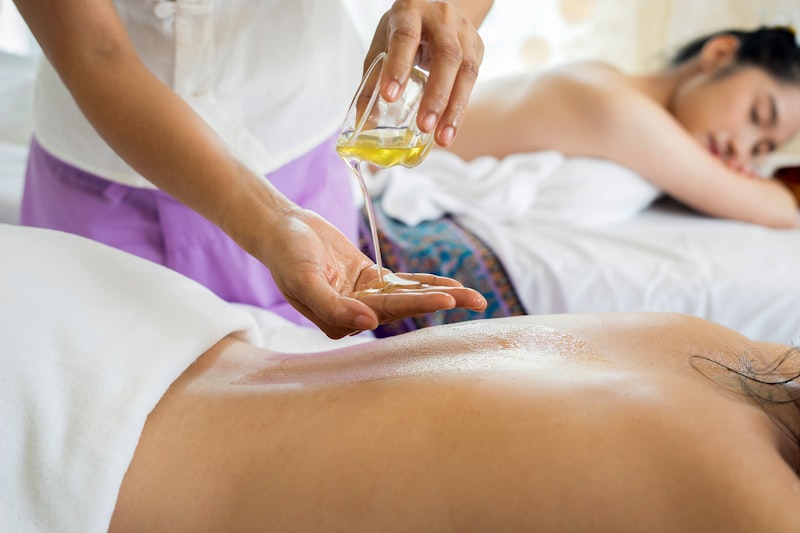
The design philosophy prioritizes communal experience over private retreats. While there will be private rooms for massage and bodywork, the thermal baths are shared spaces, intended to facilitate the kind of relaxed social interaction that happens when people are physically comfortable and mentally disengaged from their devices. Think less "spa day" and more "third place," a concept borrowed from urban sociology that describes spaces that are neither home nor work but serve as anchors of community life.
Grotto Baths is arriving at a moment when the global bathhouse revival is well underway. New York's Bathhouse on the Lower East Side, London's Thermae Bath Spa, and Berlin's legendary Vabali Spa have all demonstrated that there is a large and growing market for communal thermal experiences among affluent urbanites. Miami, for all its wellness sophistication, has lacked a comparable offering until now.
Monarch Athletic Club at RIVANI Miami Beach
If Grotto Baths represents the bohemian end of communal wellness, Monarch Athletic Club sits firmly at the other extreme. Located within RIVANI Miami Beach, one of the most anticipated residential developments on the barrier island, Monarch is positioning itself as the most exclusive recovery club in South Florida.
The club occupies over 30,000 square feet across two floors and was designed with input from sports medicine physicians, recovery specialists, and competitive athletes. The amenities read like a wish list for someone whose body is their most valuable asset: contrast therapy suites with cold plunges calibrated to 39°F and hot pools at 104°F, infrared sauna rooms, a cryotherapy chamber, compression therapy lounges, and a dedicated breathwork studio.
What distinguishes Monarch from a high-end gym with add-on recovery services is its operational philosophy. The club employs full-time wellness directors who create individualized recovery protocols for each member, adjusting thermal sequences, compression schedules, and breathwork practices based on biometric data collected through wearable integrations. Members don't just "use the facilities." They follow prescribed recovery programs that evolve over time.

Membership, as one would expect, is not cheap. Annual dues are projected to land in the mid-five figures, with a waitlist that RIVANI's sales team has been building since the development broke ground. For Miami Beach's population of professional athletes, hedge fund principals, and globally mobile entrepreneurs, Monarch offers something that money alone typically cannot buy: a structured approach to recovery that doesn't require flying to a destination wellness resort in the Maldives or upstate New York.
Carillon Miami Wellness Resort: The Spring 2026 Refresh
Carillon Miami Wellness Resort has occupied a singular position in Miami Beach's wellness landscape since its opening. The 70,000-square-foot spa and fitness center at 6801 Collins Avenue is the largest in the southeastern United States, and its programming has always leaned toward the clinical end of the wellness spectrum, offering hydrotherapy circuits, thermal suites, and a menu of treatments that extends well beyond the typical resort spa.
For spring 2026, Carillon has introduced several new treatments that reflect the broader trend toward communal and technologically enhanced wellness. The headline addition is Cosmo Contour, an infrared body sculpting protocol that combines far-infrared heat therapy with lymphatic compression. The treatment, which takes place in a specialized pod, uses controlled infrared wavelengths to stimulate cellular metabolism while the compression system promotes lymphatic drainage and circulation.
Cosmo Contour sits at the intersection of aesthetic medicine and recovery science, a category that is growing rapidly among Miami's wellness consumers who want treatments that deliver both functional health benefits and visible physical results. A single session runs approximately 45 minutes, and Carillon's spa team recommends a series of eight to twelve treatments for optimal outcomes.
Beyond the new treatment menu, Carillon has expanded its communal thermal areas, adding a larger cold plunge pool, a redesigned salt room with Himalayan salt walls, and an outdoor hydrotherapy garden that takes advantage of the property's oceanfront setting. The resort continues to operate on both a membership and day-pass model, making it one of the few world-class thermal facilities in Miami accessible to non-residents.
The Well Bay Harbor Islands: Miami's First Caldarium
Perhaps the most architecturally ambitious entry in Miami's communal wellness boom is The Well at Bay Harbor Islands. The development, which has been in planning for over three years, will feature what its creators describe as Miami's first true caldarium, a hot bathing chamber modeled on the central room of ancient Roman thermae.
In classical Roman bathing culture, the caldarium was the social heart of the bathhouse: a warm, humid room with a large central pool where bathers gathered after cycling through cold and tepid chambers. The Well's interpretation updates this concept with contemporary engineering. The caldarium will maintain a constant air temperature of 95°F with 70% humidity, featuring a mineral-rich soaking pool, heated stone loungers, and an arched ceiling designed to create natural convection patterns that circulate warm air without mechanical ventilation.
Bay Harbor Islands, a small community sandwiched between Bal Harbour and Surfside, might seem like an unexpected location for such an ambitious wellness concept. But the area has been quietly attracting high-net-worth residents who prefer its village-like atmosphere to the density of Miami Beach proper, and The Well is designed to serve as a neighborhood anchor rather than a destination resort. Annual memberships will include unlimited access to the thermal circuit, priority booking for treatments, and participation in a curated programming calendar that includes sound healing sessions, guided breathwork, and seasonal bathing rituals tied to solstices and equinoxes.
Why Now? The Forces Behind Communal Wellness
The simultaneous arrival of multiple communal wellness concepts in Miami is not a coincidence. Several macro trends are converging to create the conditions for this moment.
First, there is the loneliness factor. Miami is a city of transplants, a place where many residents lack the deep social networks that develop over decades in one community. For people who work remotely, travel frequently, and maintain social lives primarily through dining and nightlife, communal wellness spaces offer a different kind of connection: low-pressure, phone-free, and physically grounding in a way that a dinner reservation at a South Beach hotspot is not.
Second, the science of thermal therapy has matured significantly. Research published in peer-reviewed journals over the past five years has documented the cardiovascular, immunological, and neurological benefits of regular sauna use, cold exposure, and contrast therapy. What was once dismissed as "just sitting in a hot room" now carries the clinical credibility that Miami's evidence-minded wellness consumers demand.
Third, and perhaps most importantly, the private wellness model has reached a point of diminishing returns for many consumers. When you have already done the full-body MRI, the genetic panel, the personalized supplement protocol, and the quarterly blood work, the next frontier isn't another test. It's an experience. And the experience these new spaces are selling is fundamentally communal: the ancient pleasure of being warm, relaxed, and unhurried in the company of others.
What to Watch
The coming year will reveal whether Miami's appetite for communal wellness matches the investment flowing into it. Grotto Baths' summer 2026 opening will be the first major test, and early buzz suggests demand will outpace supply, at least initially. Monarch Athletic Club's integration with RIVANI's residential community offers a different model, one where the wellness club serves as an amenity that enhances property values and creates a built-in membership base.
Carillon's continued evolution demonstrates that established players are paying attention, adapting their offerings to incorporate the communal and technologically enhanced treatments that newer entrants are building from the ground up. And The Well's caldarium represents a bet on the idea that the most compelling wellness experiences are not necessarily the most technologically advanced, but the most architecturally and culturally resonant.
For Miami, a city that has always understood the relationship between physical environment and quality of life, this new chapter in wellness feels less like a trend and more like an inevitability. The bathhouse is back. And in this city, it was always going to arrive with better design, warmer water, and a longer waitlist.
Sources: Time Out Miami, Resident.com, Travel Dreams Magazine, Spa Business