The Great Migration South
Miami's transformation from a seasonal playground into a permanent power center is best measured not by real estate prices or restaurant openings, but by the caliber of people and institutions choosing to make it home. Over the past five years, a parade of billionaires, hedge fund titans, tech founders, and Fortune 500 companies has relocated to South Florida, creating a concentration of wealth and corporate influence that rivals any city in the Western Hemisphere.
What follows is a comprehensive accounting of this migration, updated through early 2025, including the most recent arrivals that signal Miami's ascent is far from over.
Billionaires Who Have Bought Homes in Miami
| Name | Net Worth (Est.) | Source of Wealth | Miami Location | Year | Notable Details |
|---|---|---|---|---|---|
| Jeff Bezos | $200B+ | Amazon | Indian Creek Island | 2023 | Purchased two adjacent estates totaling $147M; demolished existing structures for a new compound |
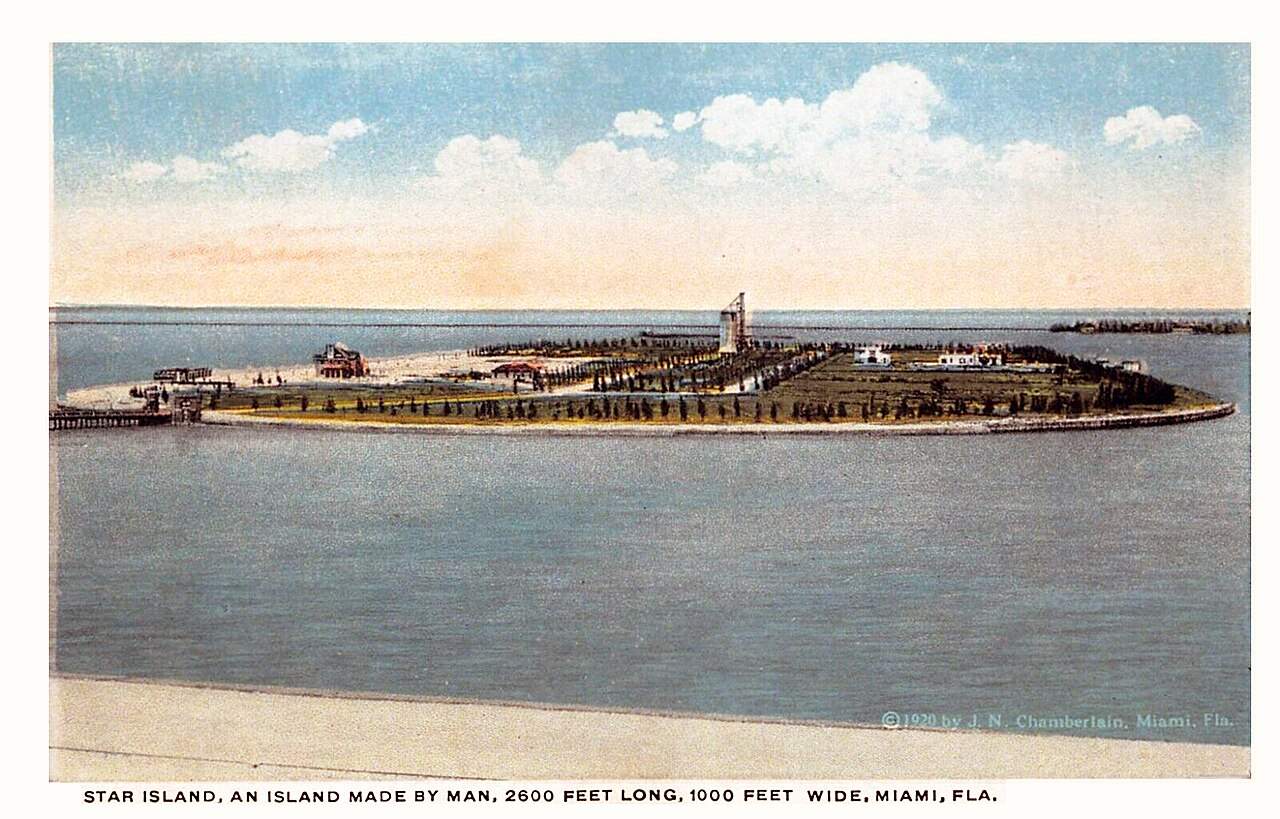
| Ken Griffin | $43B | Citadel | Star Island / Brickell | 2022 | Relocated Citadel HQ from Chicago; owns the most expensive home in Florida history |
| Howard Schultz | $3.5B | Starbucks | Surfside | 2025 | Recently purchased property in Surfside; relocating family office from Seattle to South Florida |
| Carl Icahn | $6B | Icahn Enterprises | Indian Creek Island | 2020 | Relocated Icahn Enterprises from NYC; long-time Indian Creek resident |
| David Tepper | $20B | Appaloosa Management | Miami Beach | 2020 | Moved hedge fund from NJ; also owns Carolina Panthers NFL team |
| Josh Harris | $8B | Apollo Global | Miami Beach | 2023 | Co-owner of Philadelphia 76ers and NJ Devils; expanded Apollo presence in Miami |
| Tom Brady | $300M+ | NFL / Business | Indian Creek Island | 2021 | Built custom estate on Indian Creek; recently completed $17M home construction |
| Ivanka Trump & Jared Kushner | $1.1B (combined) | Real Estate / Investments | Indian Creek Island | 2021 | Purchased $24M lot; built custom home; Kushner runs Affinity Partners from Miami |
| Peter Thiel | $11B | PayPal / Palantir | Miami Beach | 2020 | Purchased waterfront mansion; Founders Fund maintains significant Miami presence |
| Paul Tudor Jones | $8B | Tudor Investment Corp | Palm Beach / Miami | 2020 | Relocated Tudor Investment to Palm Beach with Miami operations |
| Eddie Lampert | $1B | ESL Investments | Indian Creek Island | 2012 | Early Indian Creek buyer; one of the original "Billionaire Bunker" residents |
| Barry Sternlicht | $4B | Starwood Capital | Miami Beach | 2021 | Relocated Starwood Capital from Greenwich, CT to Miami Beach |
| Orlando Bravo | $8B | Thoma Bravo | Miami | 2020 | Relocated Thoma Bravo operations; became one of Miami's most active philanthropists |
| Dan Sundheim | $3B | D1 Capital Partners | Miami | 2021 | Moved D1 Capital from NYC; established Miami as primary office |
| Stanley Druckenmiller | $6.9B | Duquesne Family Office | Palm Beach area | 2022 | Expanded Florida presence from NYC base |

The Howard Schultz Move: A Signal from Seattle
Among the most significant recent arrivals is Howard Schultz, the founder and former three-time CEO of Starbucks, who has purchased property in Surfside and is relocating his family office operations from Seattle to South Florida. Schultz's move is particularly noteworthy because it represents the Pacific Northwest's loss of a titan who helped define Seattle's modern identity. His choice of Surfside, the intimate beachfront community north of Miami Beach, over the more obvious billionaire enclaves of Indian Creek or Star Island, suggests a preference for the quieter, more residential character that Surfside offers. The family office relocation brings with it investment professionals, deal flow, and a network that further cements Miami's position as a hub for family office operations.

Major Corporate Relocations to Miami / South Florida
| Company | Industry | Previous HQ | Miami Location | Year |
|---|---|---|---|---|
| Citadel | Hedge Fund / Finance | Chicago, IL | Brickell (1221 Brickell Ave) | 2022 |
| Citadel Securities | Market Making | Chicago, IL | Miami (with Citadel) | 2022 |
| Point72 Asset Management | Hedge Fund | Stamford, CT | Miami (expanded office) | 2023 |
| Palantir Technologies | Data Analytics / Defense Tech | Denver, CO | Miami (significant presence) | 2024 |
| Icahn Enterprises | Diversified Conglomerate | New York, NY | Sunny Isles Beach | 2020 |
| Starwood Capital Group | Private Equity / Real Estate | Greenwich, CT | Miami Beach | 2021 |
| Thoma Bravo | Private Equity / Tech | San Francisco, CA | Miami | 2020 |
| D1 Capital Partners | Hedge Fund | New York, NY | Miami | 2021 |
| Founders Fund | Venture Capital | San Francisco, CA | Miami (expanded) | 2021 |
| Blackstone (Regional Office) | Private Equity | New York, NY | Miami (major regional hub) | 2023 |
| Apollo Global Management | Private Equity | New York, NY | Miami (expanded presence) | 2023 |
| Spotify (Regional) | Technology / Music | New York, NY | Miami (regional office) | 2022 |
| Microsoft (Regional) | Technology | Redmond, WA | Miami (expanded AI hub) | 2024 |
| Goldman Sachs (Asset Mgmt) | Investment Banking | New York, NY | Miami (expanded presence) | 2023 |
Why They Are Coming
The catalysts are well understood but bear repeating: Florida has no state income tax, no estate tax, and no inheritance tax. For a billionaire earning $500 million annually, the move from New York or California represents nine-figure annual tax savings. But the migration has passed the point where tax arbitrage alone explains it. Miami now offers:
Critical mass of talent: With Citadel, Point72, Apollo, D1, and dozens of other firms now operating from Miami, the city has built a self-sustaining financial talent pool. Junior analysts and portfolio managers no longer need to leave for New York to advance their careers.
International connectivity: Miami International Airport serves as the primary gateway between the United States and Latin America, with direct flights to every major city in the hemisphere. For firms with global operations, Miami's geographic position is genuinely strategic.
Quality of life: Year-round warmth, waterfront living, world-class dining, and a social scene that rivals any global capital. The "work hard, live well" balance that Miami offers is a recruitment advantage that cold-weather financial centers cannot replicate.
Regulatory environment: Florida's business-friendly regulatory framework, combined with a governor who has actively courted corporate relocations, creates a political environment that companies find predictable and accommodating.

The Impact
The influx of wealth has been transformative and not without complications. Commercial real estate in Brickell and downtown has tightened dramatically. Housing costs for middle-income residents have surged. Traffic on the causeways has worsened. But the city's tax base has expanded enormously, funding infrastructure improvements and cultural institutions at a pace that would have been impossible a decade ago.
Miami is no longer becoming a financial center. It is one. The billionaires and corporations catalogued above are not visiting. They are building permanent institutions, hiring locally, and investing in the city's future. For better or for worse, the great migration south has reshaped Miami irrevocably, and the momentum shows no sign of slowing.