


The Neighborhoods That Feed the City
Miami's dining scene generates headlines for its luxury restaurants and celebrity-chef outposts, but the city's culinary soul lives in its neighborhoods. Each enclave carries the flavors of the communities that built it, from the Cuban coffee windows of Little Havana to the Creole kitchens of Little Haiti. To eat your way through these neighborhoods is to understand Miami at its most authentic.
Little Havana
No culinary tour of Miami is complete without walking Calle Ocho (SW 8th Street), the beating heart of Cuban Miami. The neighborhood has evolved from a purely Cuban enclave into a broader Latin American culinary corridor, but the original flavors remain.
Versailles (3555 SW 8th Street): The "World's Most Famous Cuban Restaurant" is not merely a tourist destination. It remains a genuine gathering place for Miami's Cuban community, particularly during elections and cultural events. The vaca frita (crispy shredded beef) and the cafecito at the ventanita (walk-up window) are essential experiences.
Azucar Ice Cream Company (1503 SW 8th Street): Abuela Maria's ice cream blends Cuban flavors with artisanal technique. The signature Abuela Maria flavor, a blend of guava, cream cheese, and Maria cookies, captures childhood nostalgia in a single scoop.
Los Pinareños Frutería (1334 SW 8th Street): This open-air fruit stand and juice bar has been serving tropical fruit shakes and fresh sugarcane juice for decades. It is unpretentious, affordable, and absolutely perfect.

Little Haiti
North of the Design District, Little Haiti is experiencing a culinary renaissance that honors its Caribbean roots while embracing new voices.
Chef Creole (200 NW 54th Street): Wilkinson Sejour's Haitian restaurant is the neighborhood's anchor. The griot (fried pork) with pikliz (spicy slaw) and rice and beans is as satisfying a plate of food as you will find anywhere in Miami. The oxtail on weekends draws a devoted crowd.
Chez Le Bébé (114 NE 54th Street): This tiny, cash-only restaurant serves what many consider the best Haitian food in the city. The stewed chicken and legume (a rich vegetable stew) are prepared with the kind of care that only comes from decades of practice.
Little Haiti Cultural Complex: The Saturday market at the cultural complex offers Haitian pastries, fresh juices, and prepared foods that provide an accessible introduction to the neighborhood's flavors.

Brickell's Hidden Gems
Brickell is known for its towers and its expense-account restaurants, but beneath the gloss lies a more interesting food scene than the neighborhood's reputation suggests.
La Moon (144 SW 8th Street): This late-night Colombian spot serves some of the best arepas and empanadas in the city to a crowd that includes everyone from Brickell bankers to construction workers coming off shift. Open until 5 AM on weekends.
NIU Kitchen (134 NE 2nd Avenue): Catalan cuisine in downtown Miami might seem improbable, but NIU Kitchen's croquetas de jamón and fideuà (Catalan noodle paella) have earned a Michelin Bib Gourmand and a fiercely loyal following.
Brickell's Food Hall Scene: The food halls that have opened in Brickell's towers (including options at Brickell City Centre) offer a curated cross-section of Miami's diverse food landscape in a single air-conditioned space.
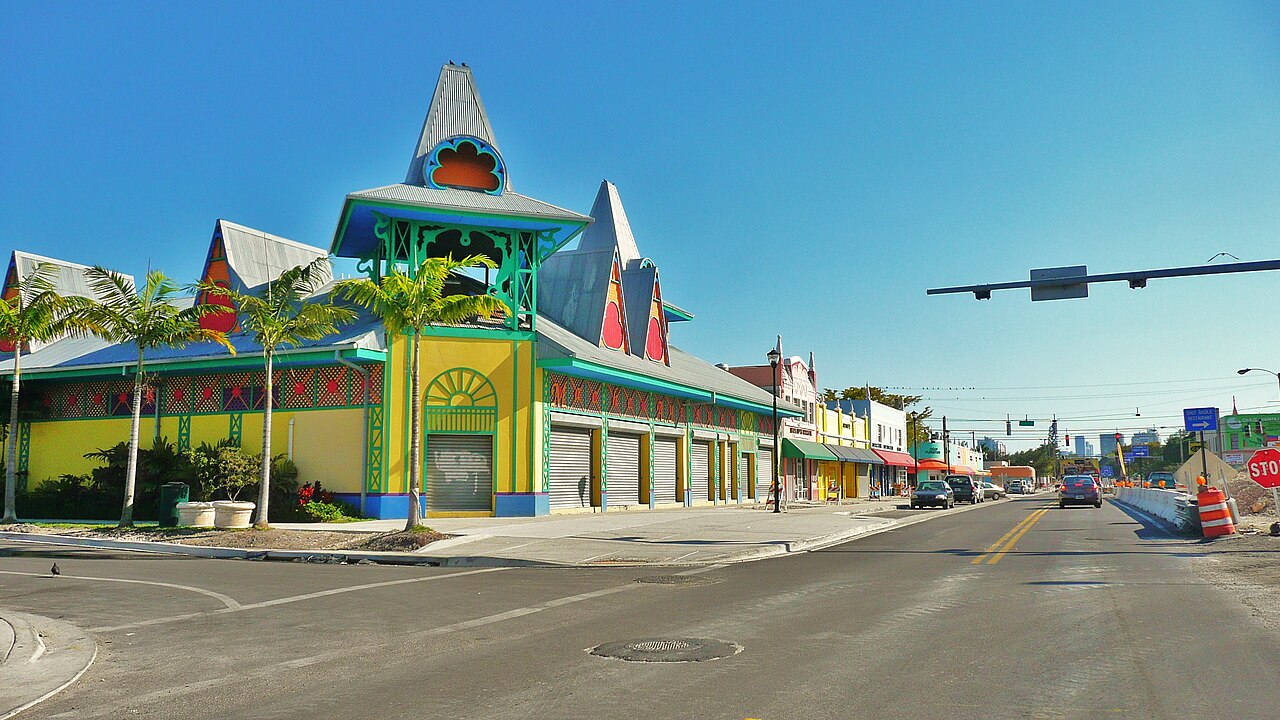
Coral Gables Classics
The "City Beautiful" has long been Miami's most refined dining neighborhood, and its restaurant scene reflects that Old World elegance.
Christy's (3101 Ponce de Leon Boulevard): A Coral Gables institution since 1978, Christy's is a power-lunch steakhouse where deals are made over Caesar salads and prime rib. The dark wood interior and attentive service evoke an era when lunch was a two-hour affair.
Bulla Gastrobar (2500 Ponce de Leon Boulevard): Spanish tapas executed with precision and flair. The patatas bravas, jamón ibérico, and gin-and-tonic program (served in balloon glasses with artisanal garnishes) make Bulla a reliable neighborhood staple.
Eating House (804 Ponce de Leon Boulevard): Chef Giorgio Rapicavoli's Eating House pushes boundaries with dishes that blend global techniques with local ingredients. The Cap'n Crunch French Toast at brunch has achieved legendary status.
The Common Thread
What unites these neighborhoods is authenticity. Each restaurant on this tour exists because a community built it, not because a hospitality group identified a market opportunity. In a city that can sometimes feel like a collection of brands, these neighborhoods remind you that Miami's greatest luxury is its diversity.

